Word of the Day
[gam-buhl ]
Meaning and examplesStart each day with the Word of the Day in your inbox!
By clicking "Sign Up", you are accepting Dictionary.com Terms & Conditions and Privacy Policies.
Today
She deserves it
Our Guide To The Perfect Mother's Day Card Will Make Your Mother's Day!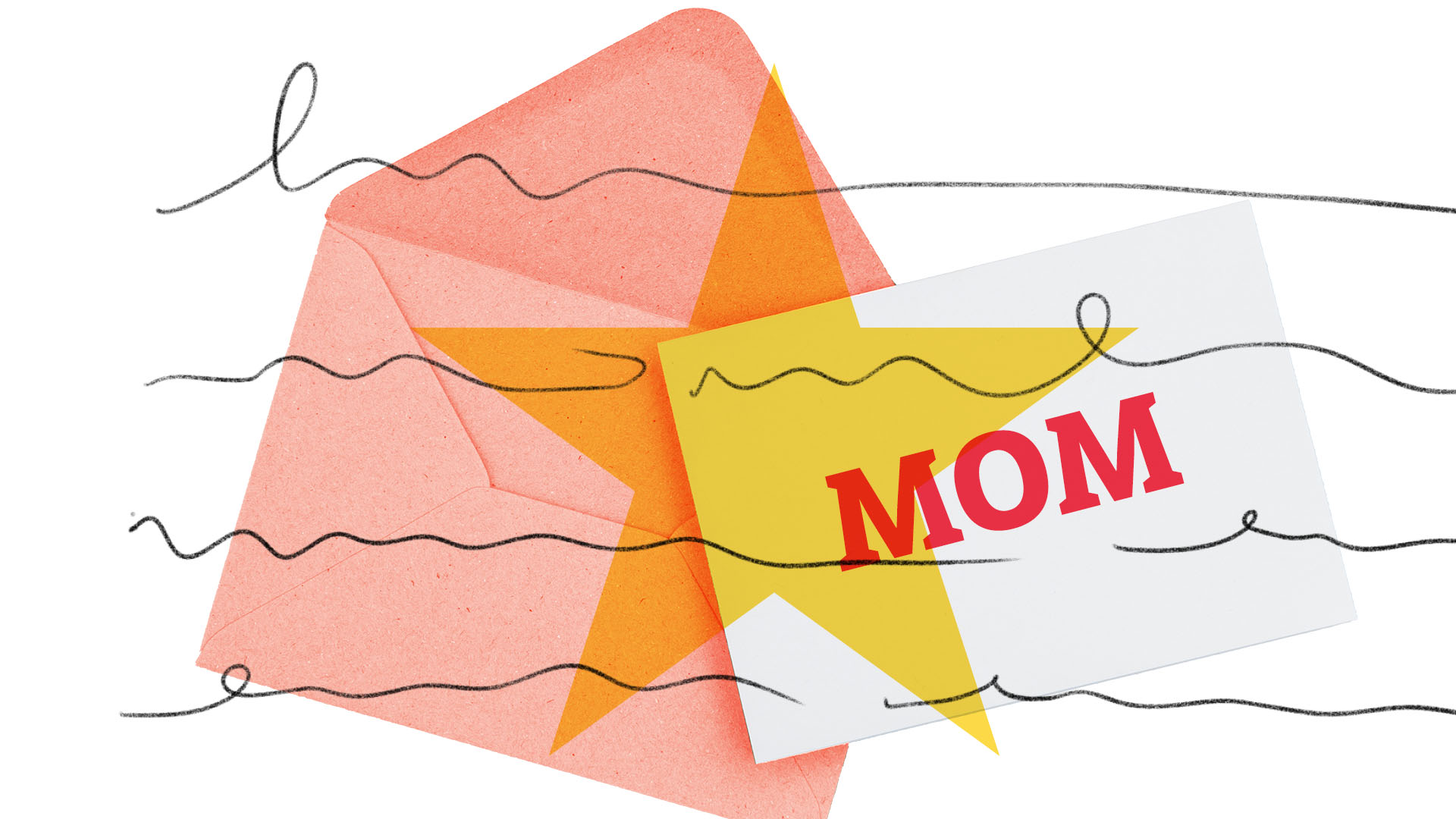
Use this guide to make a Mother's Day card that's worthy of being given to Mom. Read more.
Advertisement
Games
Calling all cruciverbalists! Sharpen your mind with crosswords and word games, or take a brain break with your favorite classic games.
Play 80+ games

Advertisement
Featured
Trending
- Listing Your Skills That Pay The Bills: A Guide To The Perfect Resume
- How To Write A Haiku: Tips And Examples
- The Bard Made Them Cool: Common Words Popularized by Shakespeare
- You Don't Want To Be "Mid." What Does This Slang Word Mean?
- “Tenacious,” “Passionate,” And Other Words That Best Describe a Taurus
Advertisement
Newsletter

Salutations, logophile!
Sign up to get everything a word lover could want: word origins, fun facts, and the latest language trends.
By clicking "Sign Up", you are accepting Dictionary.com Terms & Conditions and Privacy Policies.
Advertisement
Browse