Word of the Day
[fur-kin ]
Meaning and examplesStart each day with the Word of the Day in your inbox!
By clicking "Sign Up", you are accepting Dictionary.com Terms & Conditions and Privacy Policies.
Today
Poetry & Lyrics Challenge
If You’ve Never Written A Poem, Today Is The Day!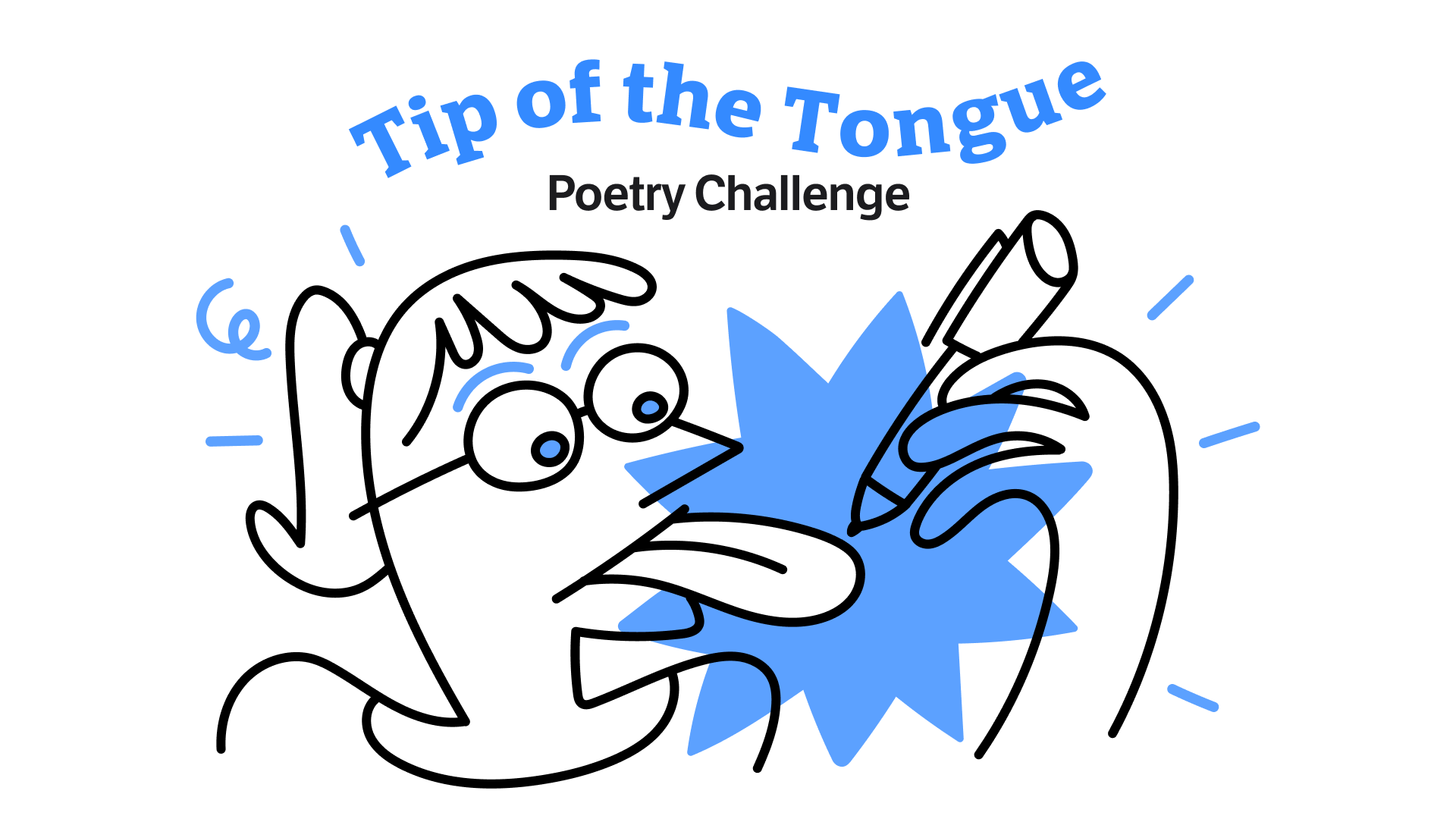
For National Poetry Month, we challenged everyone to express themselves with an original short poem. Check out our favorites so far—and submit yours today! Read more.
Advertisement
Games
Calling all cruciverbalists! Sharpen your mind with crosswords and word games, or take a brain break with your favorite classic games.
Play 80+ games

Advertisement
Featured
Write smarter
Informal vs. Formal Writing: What’s The Difference?Trending
Advertisement
Newsletter

Salutations, logophile!
Sign up to get everything a word lover could want: word origins, fun facts, and the latest language trends.
By clicking "Sign Up", you are accepting Dictionary.com Terms & Conditions and Privacy Policies.
Advertisement
Browse