Word of the Day
[ahy-ren-ik, ahy-ree-nik ]
Meaning and examplesStart each day with the Word of the Day in your inbox!
By clicking "Sign Up", you are accepting Dictionary.com Terms & Conditions and Privacy Policies.
Today
Signs
"Tenacious,” “Passionate,” And Other Words That Best Describe a Taurus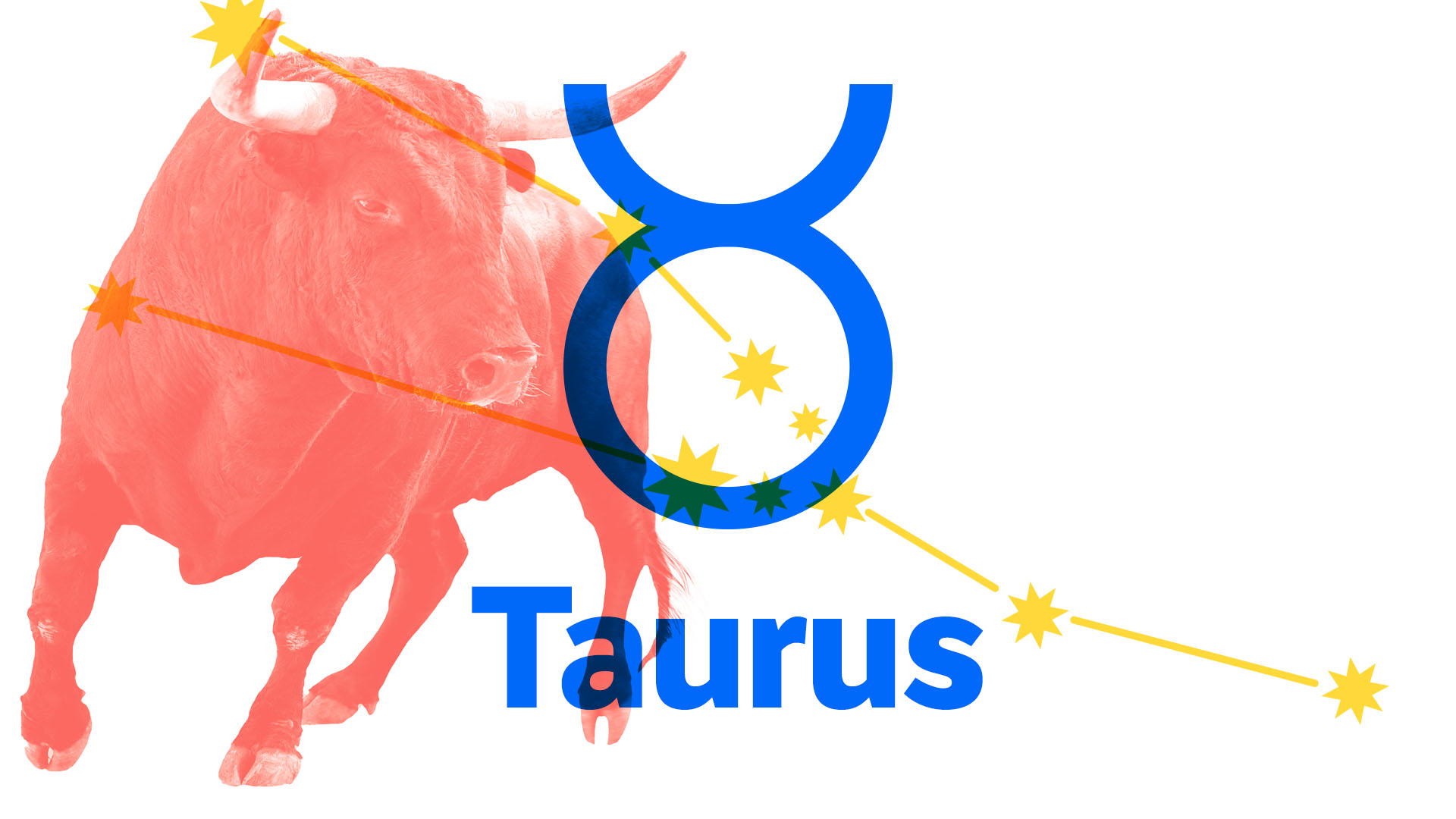
A Taurus is never shy about getting what they want! Grab the bull by the horns and learn all there is to know about this sign and its corresponding animal and constellation. Read more.
Advertisement
Games
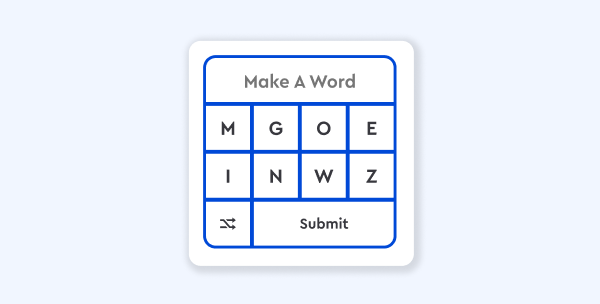
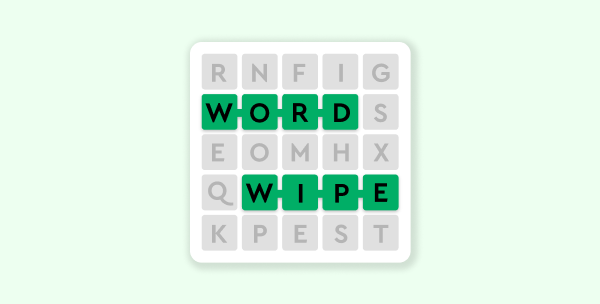
Calling all cruciverbalists! Sharpen your mind with crosswords and word games, or take a brain break with your favorite classic games.
Play 80+ games

Advertisement
Featured
Trending
Advertisement
Newsletter

Salutations, logophile!
Sign up to get everything a word lover could want: word origins, fun facts, and the latest language trends.
By clicking "Sign Up", you are accepting Dictionary.com Terms & Conditions and Privacy Policies.
Advertisement
Browse